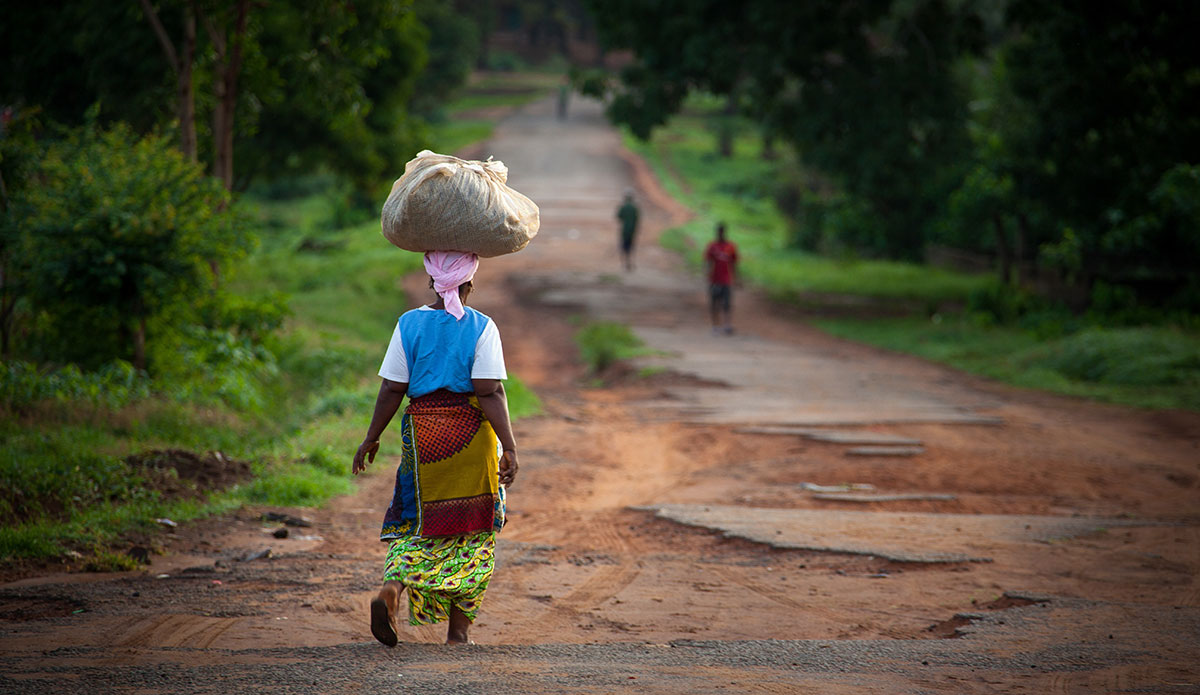
Moving Beyond Emergency Thinking
For many years, philanthropy in Africa has often been shaped by crisis response. When emergencies happen, whether related to food shortages, health outbreaks, or natural disasters, support arrives quickly. This kind of response is important and sometimes lifesaving. However, I have come to believe that if we remain focused only on crisis response, we risk staying in a cycle that never fully resolves underlying problems.
In Sierra Leone and many other parts of the continent, communities do not only need emergency aid. They need systems that prevent crises from happening in the first place. This is where capacity building becomes essential. It shifts philanthropy from short term relief to long term development.
The Limitations of Crisis Based Philanthropy
Crisis response tends to be reactive. It addresses urgent needs after they arise. While this is necessary in moments of distress, it often does not change the conditions that created the crisis. Once the immediate support ends, communities may find themselves back in the same situation again.
For example, providing food aid during shortages helps families survive the moment. However, if agricultural systems remain weak, food insecurity will return. Similarly, providing temporary water supplies during droughts helps communities cope, but without permanent infrastructure, the problem continues.
This cycle creates dependency rather than resilience. It also places constant pressure on donors and organizations to respond repeatedly to the same issues.
The Shift Toward Capacity Building
Capacity building takes a different approach. Instead of focusing only on immediate relief, it invests in skills, infrastructure, systems, and leadership within communities. The goal is to help communities solve their own challenges over time.
This approach is more sustainable. It recognizes that communities are not passive recipients of aid but active participants in their own development. When people are equipped with the right tools and knowledge, they are better able to manage challenges independently.
In my work with the New Empowerment Initiative Sierra Leone, I have seen how capacity building transforms outcomes. Whether through agriculture, water access, or sanitation projects, the focus is always on strengthening local ability to maintain and expand progress.
Strengthening Local Systems
Capacity building begins with strengthening local systems. This includes improving infrastructure, training local leaders, and supporting community based organizations. When systems are strong, communities are better prepared to handle challenges without external intervention.
For example, in agriculture, providing tools and training is not enough. Farmers also need access to storage, processing, and markets. These systems allow them to sustain productivity beyond a single season. In public health, building water systems must be paired with sanitation education and maintenance structures. Without these systems, progress cannot be sustained.
Strong local systems reduce vulnerability and increase stability. They allow communities to plan for the future rather than only react to immediate needs.
Investing in People, Not Just Projects
One of the most important lessons in capacity building is that people are the foundation of development. Infrastructure is essential, but people must be equipped to manage it. Training, education, and leadership development are therefore central to this model.
When individuals gain skills in areas such as agriculture, water management, or small business development, they become agents of change within their communities. This creates a multiplier effect. One trained individual can support many others, spreading knowledge and strengthening the community as a whole.
Capacity building is not about doing things for communities. It is about doing things with communities.
From Dependency to Self Reliance
A major goal of this new model of philanthropy is to move away from dependency. When communities rely solely on external support, their progress is limited by the availability of funding. When they develop their own capacity, they gain greater control over their future.
Self reliance does not mean isolation. It means empowerment. Communities can still receive support, but they are not dependent on it for survival. They can plan, implement, and sustain development initiatives on their own terms.
This shift is essential for long term transformation in rural areas across Sierra Leone.
The Role of Collaboration
Capacity building requires collaboration between donors, local organizations, and communities. No single group can achieve sustainable development alone. Donors provide resources and strategic support. Local organizations provide implementation and cultural understanding. Communities provide participation and ownership.
When these roles are balanced, development becomes more effective. Collaboration ensures that projects are relevant, practical, and sustainable. It also builds trust between all stakeholders involved.
Measuring Success Differently
In crisis response, success is often measured by how quickly a problem is solved. In capacity building, success is measured by how well a community can manage without external help over time.
This requires a shift in thinking. Instead of focusing only on immediate outputs, we must also consider long term outcomes. Are farmers more productive year after year? Are water systems still functioning after several seasons? Are local leaders able to manage projects independently? These are the real indicators of success in capacity building.
A Practical Example of Change
In rural communities supported by the New Empowerment Initiative Sierra Leone, capacity building is already taking shape. Agricultural programs are not only providing seeds but also training farmers in improved techniques. Water projects are not only building wells but also training local committees to maintain them. Sanitation initiatives are not only constructing latrines but also educating communities on hygiene practices.
These combined efforts ensure that progress continues long after initial interventions. This is the essence of capacity building.
Conclusion
The future of African philanthropy must move from crisis response to capacity building. While emergency aid will always be necessary in certain situations, long term development depends on strengthening systems, empowering people, and building local resilience.
In Sierra Leone, I have seen how this approach transforms communities. Through partnerships with organizations such as the New Empowerment Initiative Sierra Leone, we are beginning to see a shift toward sustainability and self reliance.
When philanthropy focuses on capacity building, it does more than solve problems. It creates the conditions for communities to solve their own challenges for generations to come.