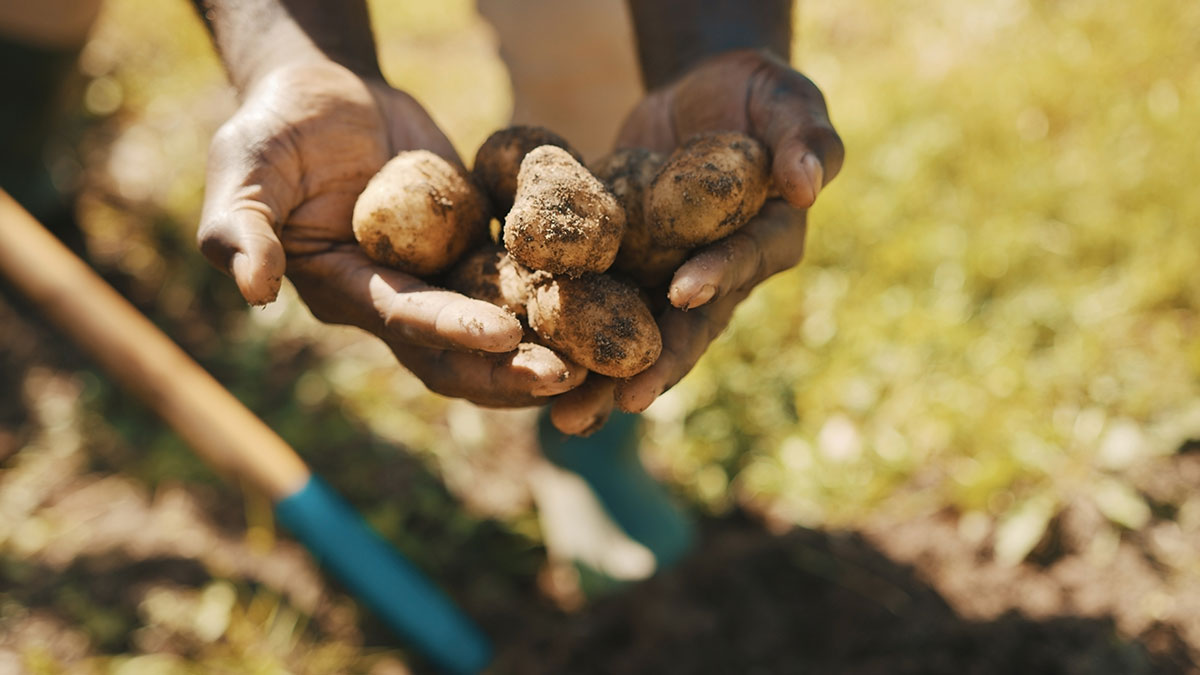
A Village With Determination
In my years working across global finance and humanitarian initiatives, I have learned that real transformation begins with local determination. The story of Nyeyama is not just about agriculture. It is about resilience, dignity, and the power of partnership. In the heart of Nyeyama Village, families have long struggled with food insecurity. Yet despite limited resources, the community has always shown a willingness to work hard and improve its circumstances.
Located in Pujehun District in Sierra Leone, Nyeyama is surrounded by fertile inland valley swamp land. For generations, farmers knew that the land had potential. What they lacked was access to proper tools, storage, processing equipment, and structured support. When I first engaged with the community through the New Empowerment Initiative Sierra Leone, I saw both the challenge and the opportunity clearly.
Turning Swamp Land Into Opportunity
In many rural communities, swamp land is seen as difficult to cultivate. However, inland valley swamp farming can be one of the most productive forms of agriculture when properly supported. The key is structure, coordination, and access to essential inputs.
The transformation in Nyeyama began with community ownership. The villagers offered land and committed their labor. This level of engagement is critical. When communities invest their own time and energy, the results are more sustainable. External support works best when it strengthens local commitment rather than replacing it.
Through partnership, farmers received seed rice, essential tools, and food support during cultivation. These resources allowed them to focus on farming rather than survival. The results were immediate. Fields that once stood underutilised began producing measurable harvests. The swamp land was no longer a symbol of struggle. It became a foundation for progress.
The Importance of Infrastructure
One of the most important lessons from this transformation is that farming alone is not enough. Without storage facilities, drying floors, milling equipment, and access to markets, even successful harvests can lose value. Post-harvest losses are a major barrier to self-sufficiency in many parts of Africa.
In Nyeyama, farmers faced this challenge directly. When rice was harvested, limited storage meant that some produce could spoil or lose quality. This reduces income and discourages future investment in agriculture. To achieve full self-sufficiency, communities must have infrastructure that protects and adds value to their crops.
That is why agricultural transformation must include more than seeds and tools. It must include investment in processing and storage systems. These components turn short-term gains into long-term stability.
Philanthropy as a Catalyst
I have always believed that philanthropy should act as a catalyst. It should accelerate local vision, not override it. In Nyeyama, targeted support helped expand cultivation and increase farmers’ participation. By combining community effort with structured funding, the project reached more households and strengthened food production across the village.
The impact was visible. Families reported improved access to food. Children were better nourished. Some income generated from sales allowed households to meet basic needs. Most importantly, farmers began to see agriculture as a viable pathway to stability rather than a last resort.
This shift in mindset is just as important as the harvest itself. When people believe in the possibility of progress, they invest more deeply in their future.
Building a Model for Sustainability
The transformation of swamp land into productive farmland offers a model that can be replicated in other communities. It demonstrates the power of combining land access, training, tools, and ongoing support. It also underscores the importance of partnerships between local organisations and committed patrons.
Through the work of the New Empowerment Initiative Sierra Leone, the project has moved beyond a single season. The goal is not temporary relief. It is sustainable self-sufficiency. That requires continued focus on infrastructure, market access, and capacity building.
Long term success will depend on building storage facilities, introducing milling equipment, and strengthening supply chains. These investments will allow farmers to increase the value of their produce and reinvest in their land. With proper systems in place, Nyeyama can become a hub of agricultural productivity within the region.
Lessons in Leadership and Partnership
From my perspective, leadership in development is about listening first. Communities understand their challenges better than anyone else. Our role as partners is to support their priorities with practical solutions.
The Nyeyama transformation reflects this principle. The village identified its needs. The organization coordinated support. Together, we created measurable change. This approach respects local dignity while leveraging external resources effectively.
Self-sufficiency is not achieved overnight. It is built step by step. Each harvest represents progress. Each improvement in infrastructure strengthens resilience. Each partnership expands opportunity.
A Vision for the Future
When I reflect on Nyeyama, I see more than a farming project. I see a community that moved from uncertainty toward stability. I see children with improved nutrition. I see farmers with renewed confidence. I see land that was once underused now producing food and income.
The journey from swamp land to self-sufficiency is ongoing. There is still work to be done. Storage facilities, milling machines, and expanded market access remain priorities. Yet the foundation has been laid.
Nyeyama demonstrates that when local determination meets structured support, transformation is possible. It is my hope that this model will inspire further partnerships and continued investment in rural development across Sierra Leone and beyond. Self-sufficiency begins with belief, but it grows through action.